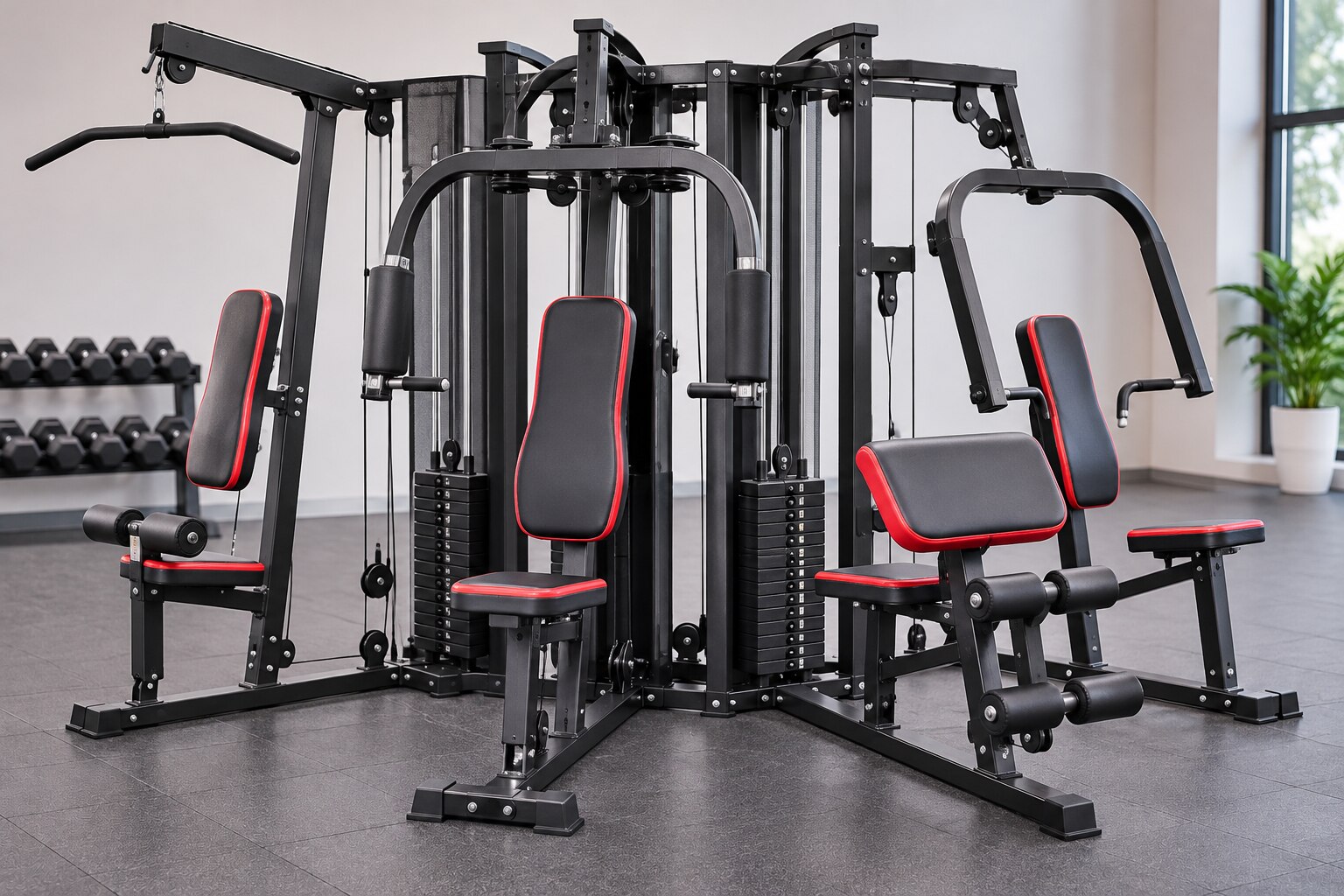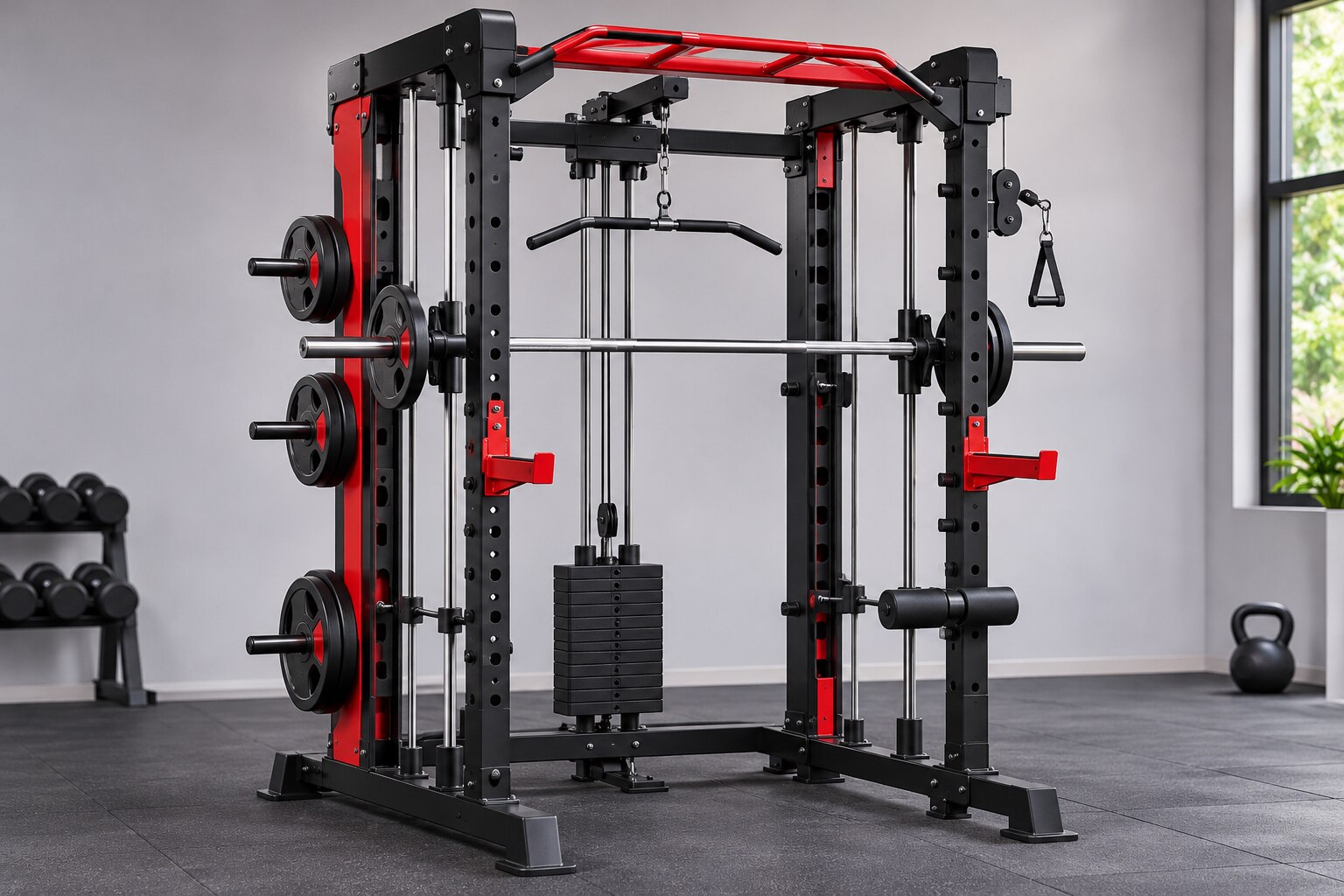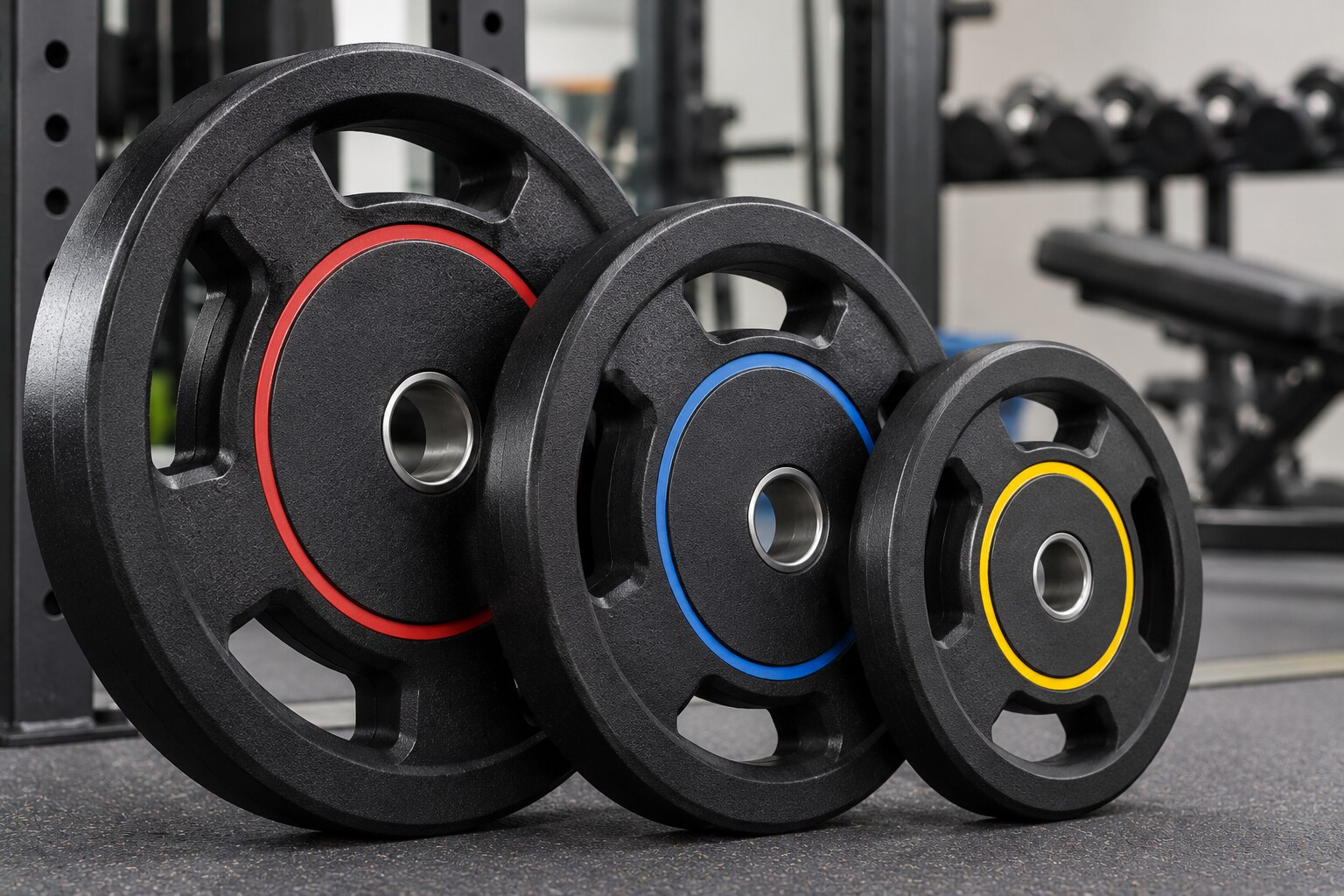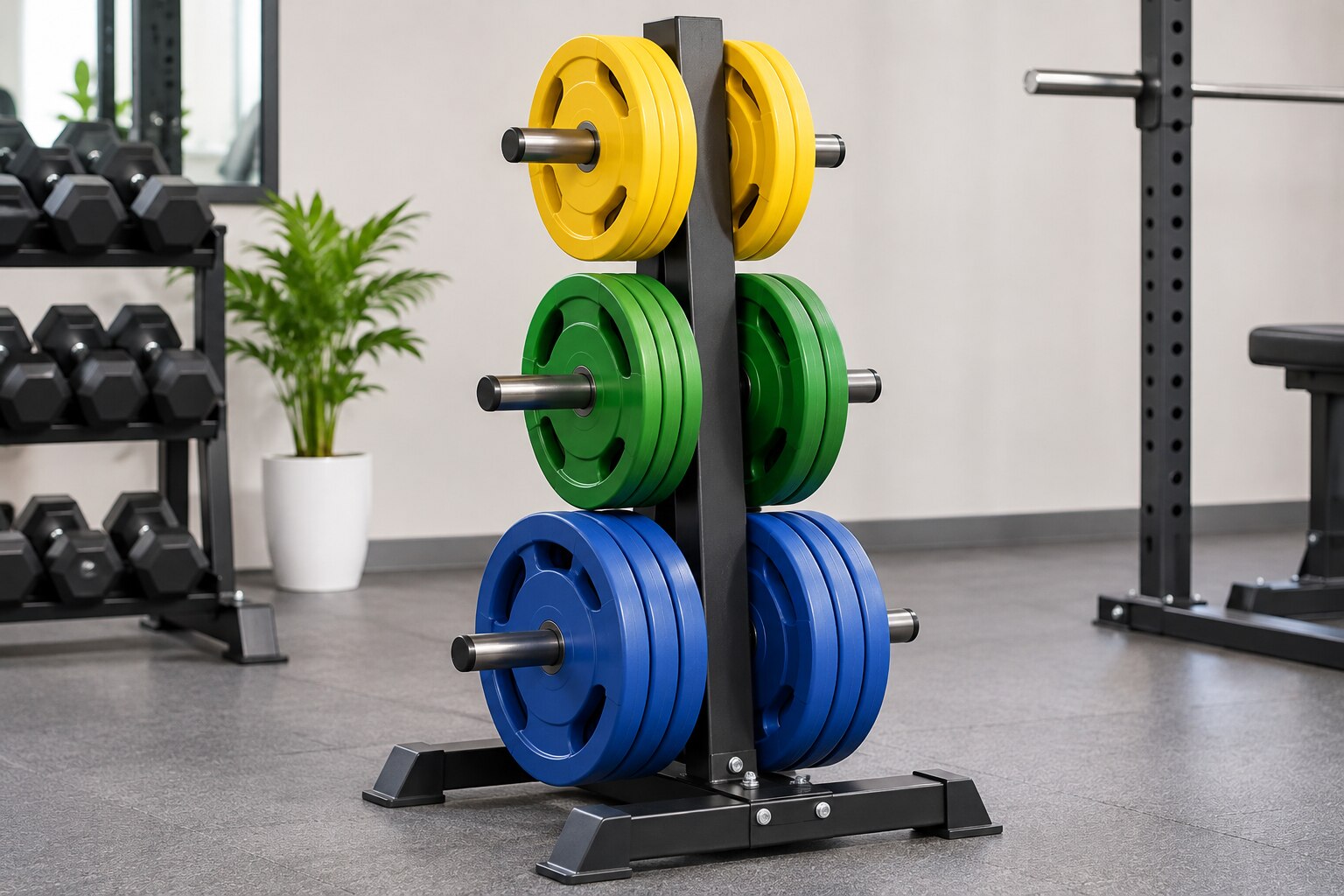
A plate-loaded ISO press and an adjustable bench are not interchangeable: one is a guided, dedicated pressing station, while the other is a platform that depends on dumbbells, a barbell, or a rack. By comparing movement options, safety, space, workload, maintenance, and purchasing checks, you can decide whether to buy one, install both, or choose a different setup for your Nagpur gym.
Key takeaways
- Confirm whether “ISO” means independent pressing arms or only a flat bench.
- Choose a flat bench for fast, flexible use across many exercises.
- Choose an adjustable bench for incline and seated pressing variety.
- Test stability, capacity, plate loading, clearances, and repair access before buying.
What are you actually comparing: an ISO press, a flat bench, or an adjustable bench?
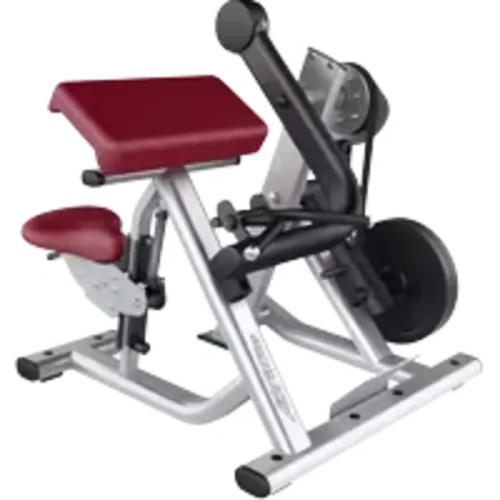
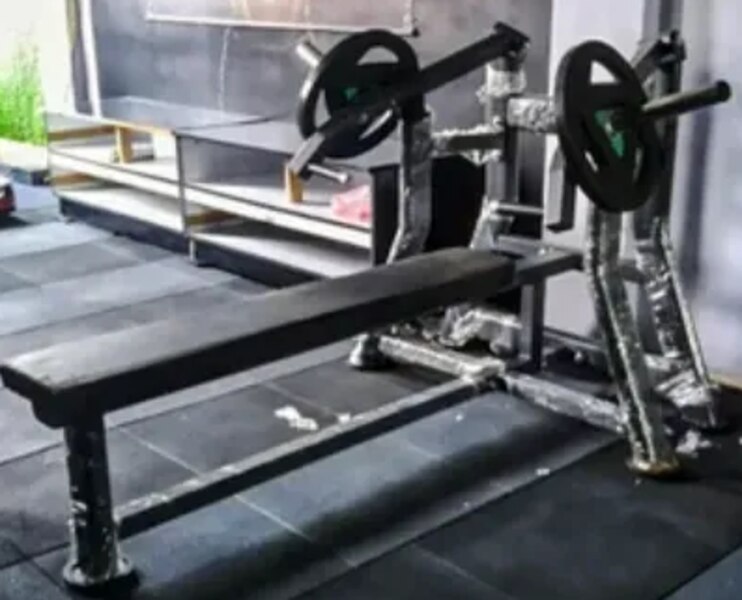
“ISO plate loaded” normally means an iso-lateral machine with two independently moving pressing arms, each accepting its own weight plates. Confirm that definition in the quotation: some suppliers use “ISO bench” loosely for a flat bench supplied beside a plate-loaded machine.
| Option | What it actually is | What else you need |
|---|---|---|
| ISO press | Dedicated chest station with guided, independent arms | Olympic plates and collars |
| Flat bench | Support platform for free-weight pressing | Rack, Olympic bar, plates, and spotting arrangement |
| Adjustable bench | Angle-changing platform for flat, incline, and near-upright work | Dumbbells, barbell, or rack |
That distinction matters in a flat bench iso plate loaded comparison. An ISO press provides a dedicated chest movement; a flat bench or adjustable bench is a flexible training platform, not a complete pressing station.
For a flat bench iso plate loaded or adjustable bench in Nagpur, require the quotation to state assembled length, width, height, user-weight rating, plate-loading rating per arm, total machine load, floor-loading data, anchoring requirements, and whether each figure includes the user.
Name the safety basis in the tender: ASTM F2216 and ISO 20957-1, with the exact edition and applicable equipment part. Also record the ISO press’s independent-arm travel, start position, handle path, and minimum starting resistance; a high plate rating does not prove suitability for lighter users.
Which training jobs suit each option in a busy commercial gym?
The iso plate loaded bench vs adjustable bench choice depends on whether you need one repeatable chest station or one platform for many exercises.
| Option | Best-supported jobs | Main limitation |
|---|---|---|
| ISO plate-loaded press | Flat chest pressing, unilateral pressing, consistent machine work | Limited incline, shoulder, triceps, pullover, floor-press and rack-based barbell use |
| Flat bench | Flat barbell or dumbbell pressing, pullovers, floor presses, triceps work and easy dumbbell transfer | Needs a rack, barbell, plates or dumbbells; it does not create a complete press station |
| Adjustable bench | Flat, incline and near-upright pressing, shoulder pressing, dumbbell work, accessories and free-weight skill development | Hinges, supports and pad gaps can restrict movement and add service points |
An ISO press is strongest as a dedicated chest station. Its independent arms let users train each side separately and accommodate left-right strength differences, while the guided path reduces balance demands and makes self-unloading easier. It does not reproduce free-weight stabilization or provide the same exercise range.
Choose an adjustable bench as the single bench when your gym needs incline and near-upright work alongside flat pressing, dumbbells and accessories. A flat bench has the lowest profile and easiest dumbbell transfer; an adjustable model adds hinges, support structure, seat-to-back gaps and possible protrusions.
Do not rely on an adjustable bench for a high-throughput, consistent chest station. Avoid an ISO press when exercise variety, rack-based barbell work and flexible floor use matter most.
How do stability, safety, capacity, and user flow differ?
An ISO press is easier to manage for mixed-skill users because its guided arms reduce balance demands and usually allow safer self-unloading. An adjustable bench offers greater range of motion and exercise choice, but free-weight pressing requires controlled setup, stabilisation, and a safe exit; a barbell press also needs a rack and spotting system.
| Option | Stability and movement | User-flow consequence |
|---|---|---|
| ISO press | Independent arms guide each side, but do not reproduce free-weight balance; check full travel and return | Faster entry and exit, less beginner skill, limited to the machine’s path |
| Adjustable bench | Free-weight balance, variable angles, and broader movement freedom | Requires setup, dumbbell control, rack access, and more coaching |
For a strength bench comparison in Nagpur, acceptance testing and capacity checks should cover:
- ISO press: independent arm travel, equal movement, no binding, full return, safe unloaded-arm position, handle adjustment, suitable minimum starting resistance, secure plate collars, unobstructed sleeves, and handles that never strike the frame.
- Adjustable bench: fully engaged adjustment ladder or pop-pin; locked backrest and seat; no adjustment-point wear, frame flex, lateral wobble, excessive pad compression, thin padding, unsuitable dimensions or seat height, dangerous gap size, or protruding hinges; confirm power-rack or barbell-rack compatibility.
- Record maximum user weight, maximum loading per arm, total plate capacity, frame gauge, weld quality, pivot bearings or bushings, handle construction, and replaceable upholstery.
Dumbbell pressing still demands controlled setup and a safe exit. Remove all plates from sleeves after use; unattended loading creates a collision and stability hazard.
What floor space, operating effort, and maintenance will the gym absorb?
Approve the station only after the quotation shows delivered and assembled dimensions, height, doorway and lift clearance, user access clearance, floor-loading data, anchoring requirements, plate-storage space, number and type of plates, and recommended station spacing. A catalogue footprint excludes the working room needed to load both ISO arms or walk around a rack.
| Option | Operating effort | Main service exposure |
|---|---|---|
| ISO plate-loaded | Load plates for each user’s set, clean handles and pads, and manage two-sided loading; queues form when both arms are occupied. | Pivots, bearings or bushings, loading sleeves, handles, fasteners, welds, upholstery and return stops. |
| Adjustable bench | Change angles, move the bench, transfer dumbbells, clean contact surfaces and align it with a rack; peak-hour repositioning takes time. | Adjustment ladders, pop-pins, hinges, pins, hardware, pads, seams, gaps and hinge protrusions. |
In a high-use gym, inspect both options weekly: check pivots, bearings or bushings, fasteners, welds, adjustment ladders, pop-pins, hinges, pads, upholstery seams and plate-loading sleeves. Lubricate or replace parts according to the supplier’s service instructions. Specify replaceable pads, upholstery panels, pins, hardware and pivot parts, not permanently bonded padding alone.
An adjustable bench has more adjustment and hinge service points; an ISO machine concentrates risk in pivots, sleeves, handles and upholstery. For Nagpur delivery, verify the actual doorway and lift route, floor levelling, installation and technician commissioning before acceptance.
How should a Nagpur gym choose, test, and specify the purchase?
For a flat bench ISO plate loaded or adjustable bench in Nagpur, choose an adjustable bench as the one-unit option when floor area is limited, racks and dumbbells already exist, and users need flat, incline, shoulder, dumbbell, and free-weight training.
| Option | Choose it when | Main trade-off |
|---|---|---|
| Adjustable bench | Varied users need flexible free-weight work | It is not a dedicated, high-throughput chest station |
| ISO press | You need guided movement, independent loading, and easier self-unloading | It offers less exercise variety than a rack and bench |
| Both | Peak traffic justifies separating machine pressing from rack and dumbbell work | It requires more floor space, plates, and maintenance |
Use this strength bench comparison in Nagpur by testing the actual units, not only catalogue figures.
- Test-load both ISO sides; compare arm symmetry, starting positions, travel, plate retention, and return stops.
- Verify every bench lock, including backrest and seat adjustments.
- Measure rack clearance, loading-side working space, delivered and assembled dimensions, doorway and lift clearances, floor loading, and anchoring points.
- Check wobble under load and record every measurement.
- Ask for service response time, technician coverage at your gym’s location, on-site levelling and commissioning, upholstery and adjustment-hardware replacement, and pivot or bushing repair.
Require the quotation to state commercial-use rating, Olympic-bar and rack compatibility, maximum user weight, per-side and total loading, warranty, installation, lead time, replacement-part availability, and required plate quantities. Singh Engineering Works is worth considering only if its quotation answers these service and specification questions rather than relying on catalogue descriptions.
Related products
Flat Bench The Flat Bench ISO Plate Loaded machine is a durable and ergonomically designed strength training solution, perfect for upper body workouts. View product → |
Benches The Adjustable Bench Pure is a sleek reclining weight bench with 8 backrest adjustments and 3 seat-angle settings that allows the user to perform... View product → |
Frequently asked questions
What does “ISO plate loaded” mean in a gym equipment quotation?
It normally means an iso-lateral machine with two independently moving pressing arms, with separate weight plates on each arm. Confirm the mechanism, plate sleeves, and included bench in writing because some suppliers use “ISO bench” loosely.
Which option suits a busy commercial gym?
A flat bench supports fast setup and a wide range of barbell, dumbbell, and accessory exercises. An adjustable bench adds incline and seated pressing positions but takes more adjustment time. An iso-lateral plate-loaded press offers guided pressing with independent arm movement and does not replace general-purpose bench space.
How do flat, adjustable, and iso plate-loaded equipment differ in safety and user flow?
A flat bench has few moving parts and lets users enter and leave quickly. An adjustable bench needs a secure backrest and seat adjustment before loading. An iso press controls the pressing path and uses separate arms, but users still need correct seat adjustment, plate loading, and clear access around the machine.
What should a Nagpur gym check before ordering a strength bench?
Measure the equipment footprint plus plate-loading and walkways, then test stability, upholstery, adjustment locks, frame welds, capacity rating, handle positions, and maintenance access. Ask for the exact dimensions, warranty terms, spare-part process, delivery route, and installation scope in the quotation.
Keywords