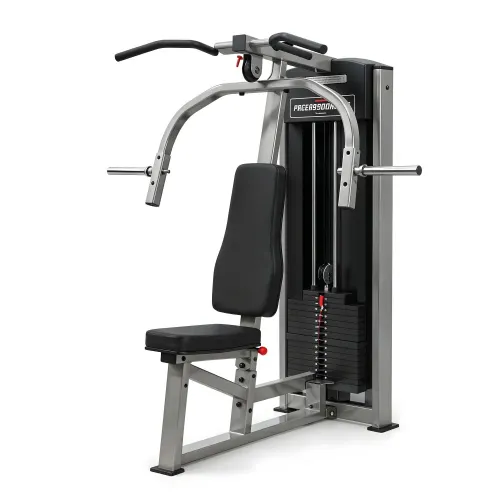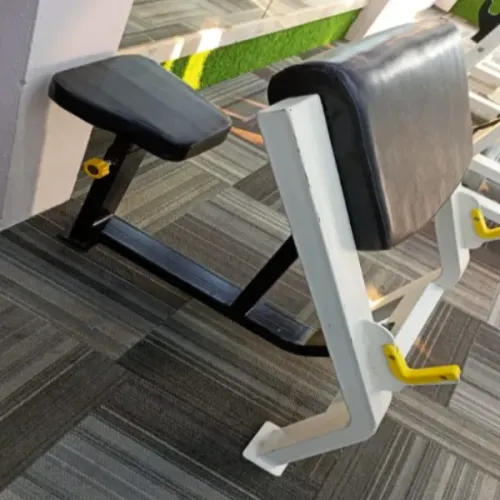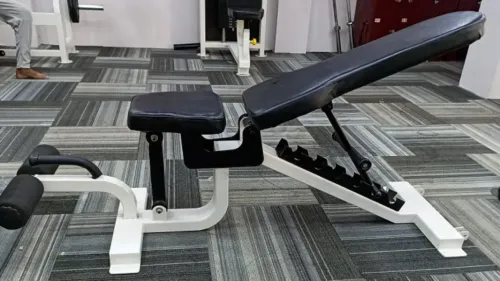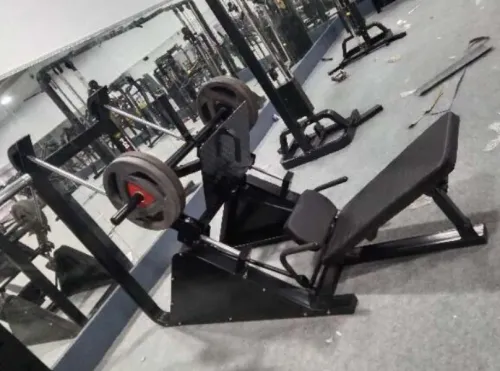
Commercial gyms increasingly need equipment that can accommodate different training goals without consuming excessive floor space. A Functional Trainer Machine addresses this requirement by using adjustable cable positions to support a wide range of movements.
From general fitness and strength development to sports conditioning and accessory exercises, functional trainers can serve several member groups within the same facility.
How a Functional Trainer Works
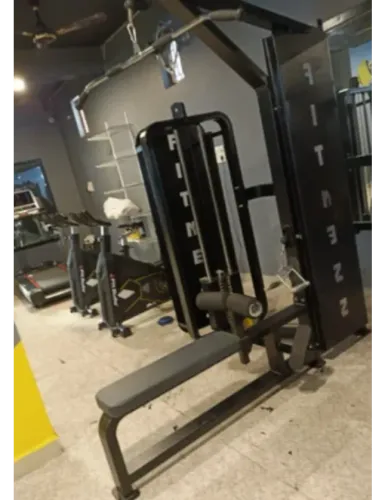
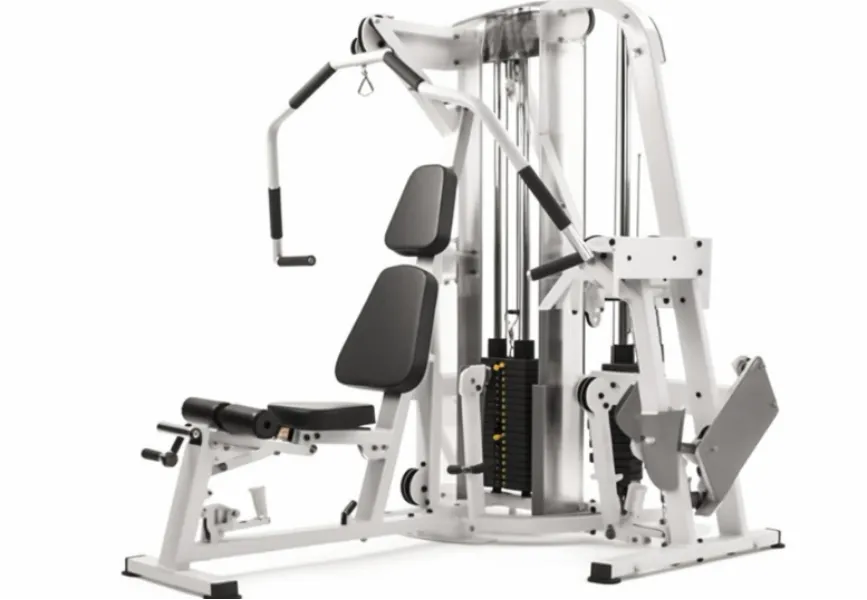
The central feature of a functional trainer is its cable system. Users can typically adjust pulley positions and attach different handles or accessories according to the exercise.
This makes it possible to perform movements from different heights and directions rather than following only one fixed machine path.
Common applications can include:
- Cable chest presses
- Rows
- Biceps curls
- Triceps extensions
- Lateral raises
- Cable fly movements
- Rotational exercises
- Lower-body cable movements
- Single-arm exercises
- Core training variations
Exercise availability ultimately depends on the machine's configuration and attachments.
Why Gyms Value Exercise Versatility
Not every member trains in the same way. Beginners may prefer straightforward cable exercises, while experienced users may combine cable movements with free-weight training.
Personal trainers can also use adjustable cable systems to modify exercises according to individual training programmes.
For commercial facilities in Nagpur, this versatility can be particularly useful when operators want to serve general fitness members, strength trainees, athletes, and personal training clients within one gym.
Pulley Movement Is a Key Quality Indicator
The number of possible exercises should not be the only consideration when comparing functional trainers.
Cable movement should feel consistent throughout the exercise range. Buyers can examine pulley alignment, cable routing, bearing movement, adjustment mechanisms, and the overall engineering of moving parts.
An awkward or inconsistent cable path can reduce the practical value of an otherwise feature-rich machine.
Adjustment points should also be easy to identify and operate because different users may change pulley positions dozens of times during a typical day.
Frame Stability Matters During Dynamic Exercises
Functional training can involve pulling cables from multiple directions. The machine therefore needs a suitably stable structure.
Buyers should consider frame construction, base design, welding quality, weight-stack housing where applicable, and the overall footprint.
The machine should be installed on an appropriate surface with sufficient surrounding clearance.
This becomes especially important in busy Nagpur gyms where several people may train in adjacent areas simultaneously.
Attachments Increase Training Possibilities
Handles and accessories can significantly affect how much use a gym gets from its functional trainer.
Depending on the model, useful attachments may include straight bars, rope handles, single-grip handles, ankle straps, or other compatible accessories.
Rather than focusing on the largest possible accessory package, commercial buyers should identify which attachments their members and trainers are actually likely to use.
Proper accessory storage is another practical consideration. Loose handles and bars scattered around the floor can create unnecessary clutter.
Maintenance Should Be Part of Equipment Planning
Cable machines contain components that require routine inspection.
Gym staff should periodically check cables, pulleys, fasteners, adjustment pins, handles, and other moving components according to the manufacturer's maintenance guidance.
Easy access to serviceable parts can simplify this process.
When evaluating equipment from a commercial manufacturer such as Singh Engineering Works, Nagpur buyers can discuss configuration, intended use, dimensions, construction, and maintenance requirements before selecting a model.
A Functional Trainer Machine works best when its versatility matches the facility's training approach. It can be particularly useful for gyms seeking a flexible station that complements free weights and fixed-path strength machines.
Instead of evaluating it only by how many exercises appear possible, buyers should focus on movement quality, adjustability, stability, user accessibility, and how naturally the equipment fits into the gym's overall layout.
Keywords