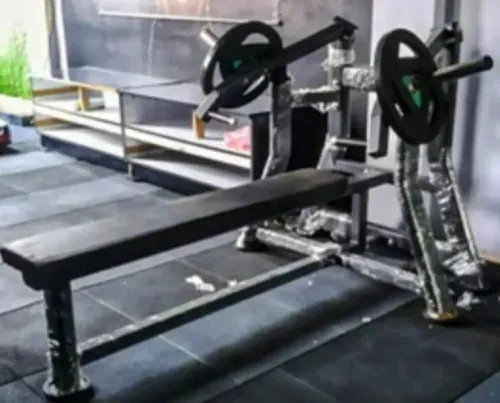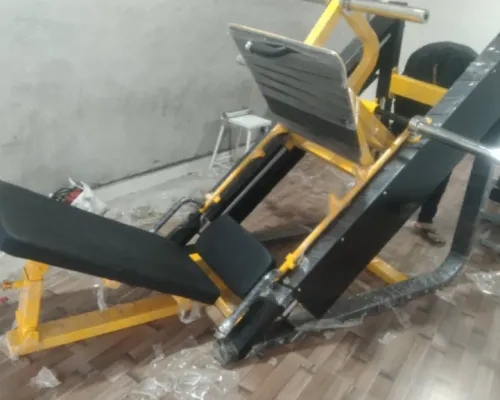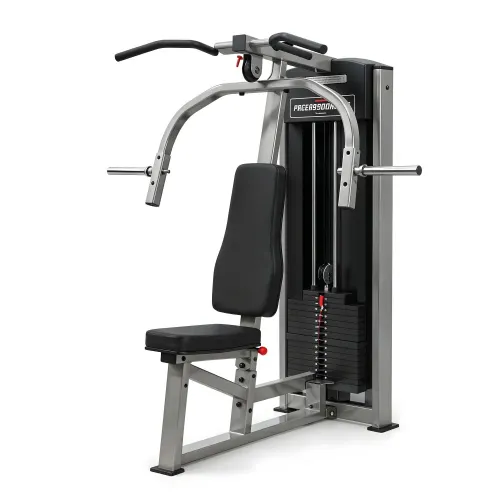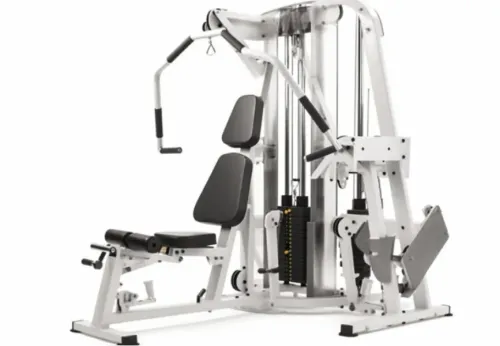

An Olympic Weight Plate is a basic component of many commercial strength-training areas, yet mistakes in plate planning can create surprisingly large operational problems. A gym may invest in quality racks, benches, Smith machines, and plate-loaded equipment only to discover that members constantly struggle to find the plates they need.
For new and expanding gyms in Nagpur, better planning starts before the plates are ordered.
Mistake 1: Ordering Without Checking Compatibility
Commercial equipment can use different loading formats, so plate compatibility should always be confirmed.
Check the relevant bar sleeves and plate-loading horns on existing or planned equipment.
Assuming every plate will work with every station can lead to unnecessary purchasing problems, particularly when equipment is sourced from multiple suppliers.
Mistake 2: Buying Too Many of One Weight
A large total kilogram count does not automatically create a useful plate inventory.
Members need practical combinations of lighter and heavier plates to make incremental changes to resistance.
If the gym has too many heavy plates but insufficient smaller denominations, users may struggle to progress between loads conveniently.
Plan the mix according to expected training patterns.
Mistake 3: Ignoring Peak-Hour Demand
Plate requirements should be calculated according to simultaneous equipment usage.
Imagine several members using squat racks, bench stations, a Smith machine, and a plate-loaded leg press at the same time. All of them may need similar plates.
A quantity that seems adequate during an empty-floor inspection may be insufficient during the busiest evening hour.
Nagpur fitness centres should consider expected membership volume and peak-hour behaviour when estimating inventory.
Mistake 4: Treating Storage as an Afterthought
Weight plates need designated storage.
Without enough plate trees or machine-mounted storage points, members tend to leave plates on bars or place them against equipment.
That creates clutter and makes the gym feel less organized.
Storage should ideally be distributed near the stations where plates are most frequently used rather than concentrated in one inconvenient corner.
Mistake 5: Focusing Only on Purchase Price
Commercial plates are handled repeatedly, so construction and finishing matter.
Evaluate the plate body, centre opening, surface finish or coating, grip design where applicable, and suitability for the intended environment.
A lower upfront price provides little operational advantage if the product does not suit the facility's usage requirements.
Mistake 6: Forgetting the Floor
Weight plates and flooring work together.
Even where plates have a protective coating, gyms need appropriate flooring and clear handling policies. Members should have suitable areas for loading, unloading, and storing plates.
The type of training offered general resistance training, bodybuilding, power-focused workouts, or mixed fitness can influence flooring and plate requirements.
Mistake 7: Not Planning for Expansion
A new gym may begin with a modest number of plate-loaded stations and add equipment as membership grows.
Planning some additional capacity can make future expansion easier.
Operators do not necessarily need to overbuy at launch, but they should understand how additional racks and machines will affect plate demand.
Commercial buyers evaluating locally produced equipment can discuss compatibility and gym-wide requirements with manufacturers such as Singh Engineering Works in Nagpur.
Olympic Weight Plate planning is ultimately an inventory-management exercise. The right number and combination should support the machines, bars, members, and training patterns within the facility.
By avoiding compatibility assumptions, poor weight distribution, inadequate storage, and peak-hour shortages, gym owners can create a strength area that operates far more smoothly from opening day onward.
Keywords