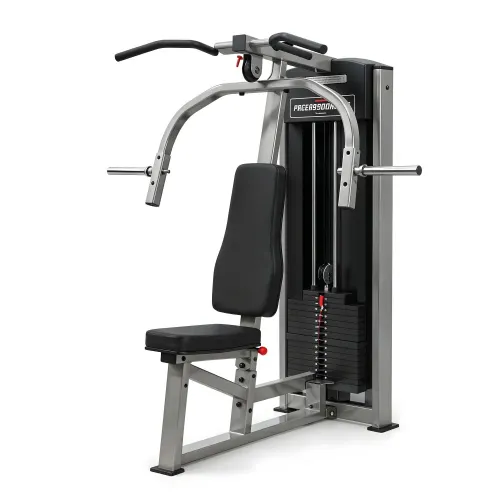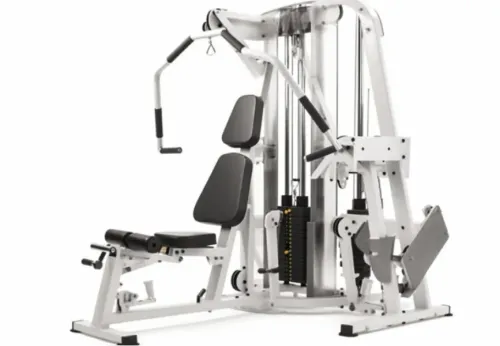
Selecting lower-body equipment often requires balancing training preferences, operating costs, available space, and the type of members a facility serves. A Plate Loaded Leg Press is a familiar choice for strength-focused gyms, but it should still be evaluated against selectorized and other lower-body equipment before purchasing.
For commercial gym owners in Nagpur, the better option is the one that aligns with actual member usage rather than simply following equipment trends.
How Plate Loaded Equipment Differs
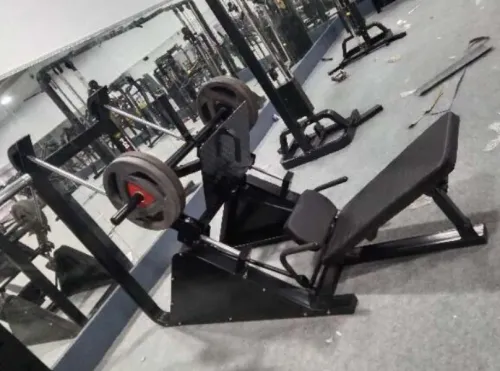
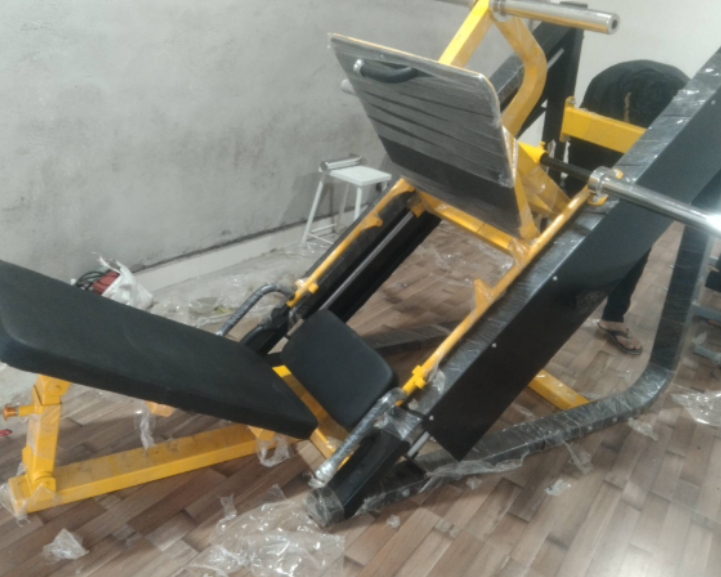
A plate-loaded leg press uses removable weight plates to create resistance. Users or trainers add and remove compatible plates according to the required training load.
Selectorized equipment generally uses an integrated weight stack, with resistance changed through a selector mechanism.
Both systems have practical advantages.
A plate-loaded setup may appeal to strength-oriented members because loading is visible and can accommodate progressive training according to the machine's rated capacity. Selectorized machines can make weight changes faster because users do not need to carry plates between sets.
Compare the User Experience
Consider who will use the machine most frequently.
In a bodybuilding or strength-focused facility, members may already be accustomed to loading and unloading Olympic-style plates. A Plate Loaded Leg Press can therefore fit naturally into the existing training environment.
In a general health club serving many beginners, some users may find selectorized resistance easier to understand initially.
Neither observation makes one format universally better. Equipment should match the audience.
Factor in Your Existing Weight Plates
Plate-loaded machines work most efficiently when a gym has sufficient compatible plates available nearby.
If plates constantly need to be taken from benches, racks, or other machines, members may experience unnecessary inconvenience.
Before buying, calculate how many plates are already available and whether additional inventory will be required.
Nagpur gym owners setting up a new facility can plan machines and weight plates together rather than treating them as unrelated purchases.
Evaluate Space and Movement Around the Machine
Leg presses can occupy substantial floor area. Operators need to account for more than the listed footprint.
Users require room to enter and exit the machine, while other members need space to load plates safely without interfering with nearby stations.
Plate storage should also be considered.
An apparently economical equipment layout can become inefficient if users constantly cross busy walkways carrying heavy plates.
Look at Adjustment and Contact Points
Commercial buyers should examine the back support, foot platform, seat position, safety mechanisms, adjustment points, and range of movement permitted by the specific machine design.
Different users have different body proportions, so accessibility matters.
Foot platform dimensions and surface grip can also influence how confidently users position themselves during training.
Compare Ownership Requirements
The purchase price is only one part of commercial equipment ownership.
Ask about:
- Structural durability
- Maintenance requirements
- Availability of wear components
- Upholstery serviceability
- Plate compatibility
- Equipment footprint
- Installation requirements
- Expected usage level
A machine that suits the gym's operating model may provide better long-term utility than a cheaper unit selected solely on initial cost.
For businesses evaluating locally manufactured fitness equipment, Singh Engineering Works is one Nagpur-based option that can be assessed according to construction, specifications, commercial suitability, and equipment requirements.
The decision between a Plate Loaded Leg Press and another leg-training system should therefore start with the gym's members. Strength-focused facilities may value plate loading and familiar resistance progression, while general fitness centres may prioritize quick adjustments.
Matching the machine to training behaviour, existing equipment, floor space, and operational needs is the most practical route to a useful purchase.
Keywords