
Weight plates are among the most frequently handled items in a strength-training facility. Members load them onto barbells and machines, move them between stations, place them on storage racks, and sometimes handle them less carefully than operators would prefer.
This makes the choice of Rubber Gym Weight Plates an operational decision rather than a purely visual one.
Why Rubber-Coated Plates Are Popular
Rubber-coated weight plates provide a protective external surface around the plate body.
For commercial gyms, this can make handling more practical and reduce direct metal-to-metal contact when plates are stored or loaded. They can also contribute to a cleaner, more uniform appearance across the strength section.
The coating does not remove the need for correct handling or suitable flooring, but it can be useful in busy fitness environments.
Compare Them With Uncoated Metal Plates
Traditional metal plates remain widely used, particularly in strength-oriented environments.
They can offer a straightforward, durable format and may appeal to facilities where equipment is selected primarily for heavy-duty training.
Rubber-coated alternatives add a protective outer layer that some operators prefer for commercial settings.
The better choice depends on factors such as:
- Gym positioning
- Member volume
- Training style
- Flooring
- Storage arrangements
- Budget
- Existing bars and machines
- Maintenance expectations
Inspect the Centre Opening Carefully
Compatibility matters.
The plate's centre opening must correspond appropriately with the bars or plate-loaded machines used in the facility. Buyers purchasing a complete gym package should confirm these dimensions before ordering large quantities.
Poor compatibility can create inconvenience across multiple stations.
Dealers supplying gyms around Nagpur should also clarify specifications with customers because the term 'weight plate' can cover products intended for different bar dimensions and applications.
Evaluate the Coating
Not all rubber-coated plates are identical.
Commercial buyers should examine surface finish, edge quality, grip design where applicable, and how securely the coating integrates with the plate.
The plates will be handled repeatedly and may come into contact with racks, machines, flooring, and other plates.
Durability under normal commercial use therefore matters more than how the product looks when first unpacked.
Consider Storage Before Ordering
A gym may require dozens or even hundreds of individual plates depending on its size.
Storage should be planned before delivery.
Weight trees, machine-mounted storage horns, and dedicated plate racks can keep training areas organized. Plates left on the floor create clutter and make it harder for members to find the weight they need.
In high-traffic Nagpur gyms, organized storage also supports smoother member flow during busy morning and evening periods.
Calculate Requirements by Equipment Zone
Instead of purchasing an arbitrary number of plates, estimate demand according to the equipment inventory.
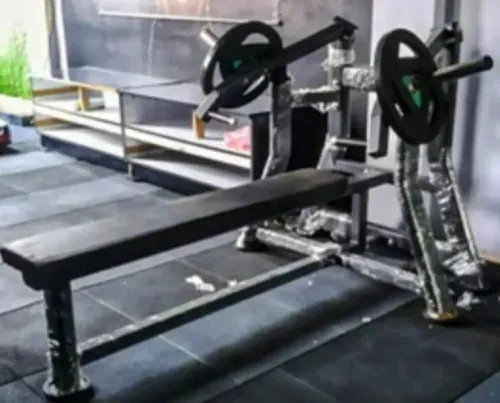
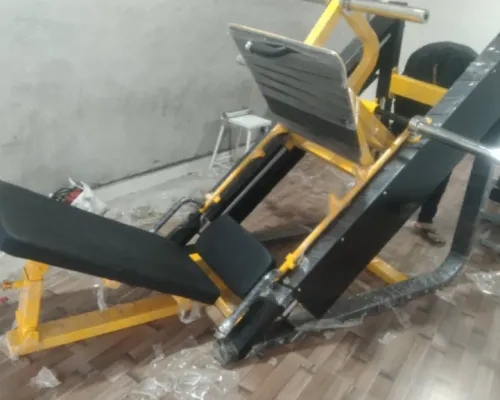
Count the barbells, squat racks, Smith machines, benches, leg presses, and other plate-loaded stations.
Then consider how many of those stations may be used simultaneously.
This approach helps prevent a common operational problem: having plenty of plate-loaded equipment but too few plates available during peak hours.
Consider the Complete Ownership Picture
Initial price matters, but commercial purchasing should also consider handling, durability, storage, compatibility, replacement requirements, and expected member usage.
Singh Engineering Works supplies gym equipment for commercial buyers in Nagpur, providing an option for operators and dealers who want to coordinate weight plates with other strength equipment requirements.
Rubber Gym Weight Plates can be a practical choice for commercial facilities seeking a combination of everyday usability and a finished appearance. Traditional alternatives may still suit certain strength-focused environments.
The best purchasing decision comes from looking at the complete gym ecosystem bars, machines, flooring, member volume, storage, and training style rather than evaluating weight plates as isolated accessories.
Keywords