A Nagpur gym needs more than a supplier name before ordering: it needs to know which machine configuration fits its training model, room, access route and maintenance capacity. By the end, you will have a practical checklist for comparing quotations, inspecting equipment and arranging delivery, installation and after-sales support.
Key takeaways
- Choose a combination machine only when one footprint must serve both pulling movements.
- Measure ceiling height, doorways, lifts and the full delivery route before ordering.
- Compare frame, cable, pulley, load, upholstery and warranty details line by line.
- Put delivery, installation, inspection and maintenance responsibilities in writing.
Choose the right machine configuration before comparing suppliers
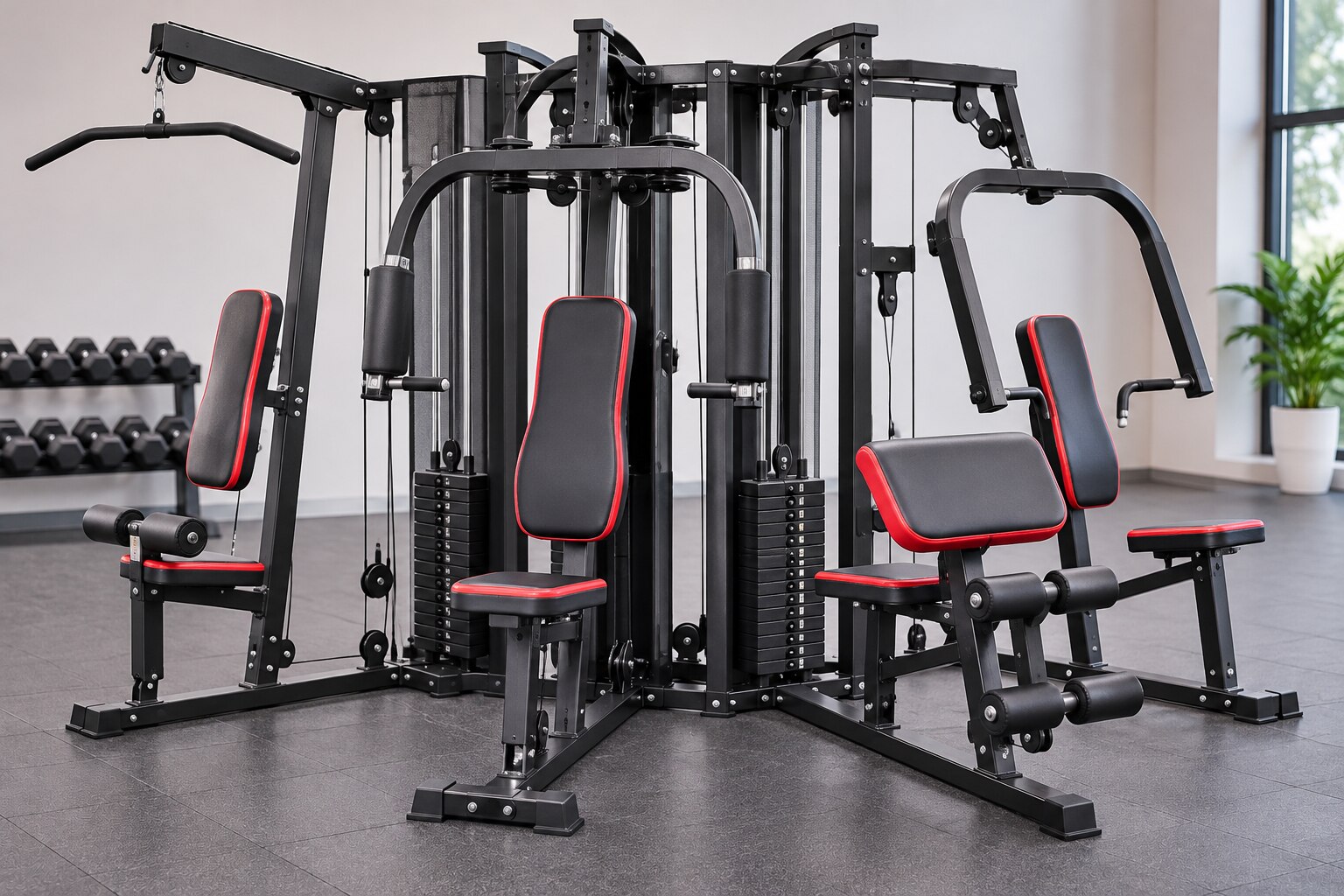
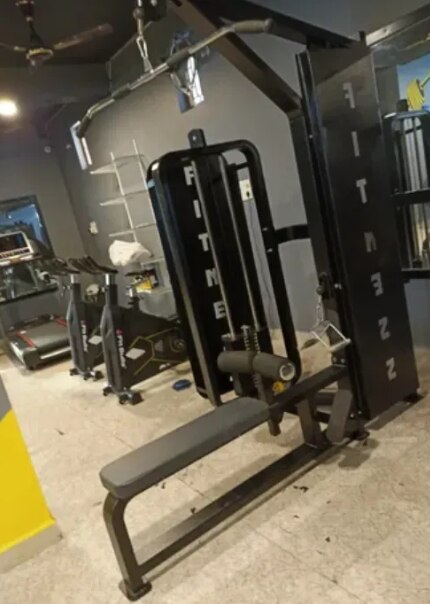
Choose a lat pulldown and low-row combination when one footprint must support both vertical and horizontal pulling with quick member changeover. It suits a busy facility; a standalone station or two separate machines may serve better when exercise queues, training styles or available floor space differ.
| Option | Practical difference | Choose it when |
|---|---|---|
| Selectorized combination | Pin-selected resistance, faster changes and controlled increments; check seat, thigh-pad and foot-brace adjustments. | Many members share one commercial back exercise machine. |
| Plate-loaded combination | Higher loading potential, but requires plates, storage and closer supervision. | Experienced lifters justify the added handling. |
| Standalone lat pulldown | Vertical pulling only, with simpler station use. | Pulldowns are the priority. |
| Seated cable row | Horizontal pulling with a foot brace and separate cable path. | Rows need their own station. |
| High pulley | Confirm whether it is built into the combination or supplied as a separate unit. | You need high-cable exercises beyond pulldowns. |
| Two separate machines | More capacity and less reconfiguration, but greater footprint and cost. | Your floor can absorb two stations. |
Do not equate stack weight with effective resistance. A 2:1 pulley ratio gives roughly half the selected stack resistance with twice the cable travel; 1:1 gives roughly the selected resistance with less travel.
- Pulley ratio, stack weight and add-on increment.
- Separate user-weight and training-load limits for each station.
Use the same checklist when comparing a lat pulldown rowing machine in Nagpur.
Check the room, ceiling and delivery route before placing the order
Confirm that the machine can enter the building, stand upright in the training room and remain serviceable before you buy a lat pulldown rowing machine.
1. Request delivered-and-installed dimensions, assembled height, machine footprint, packed dimensions and gross shipping weight. Ask for the minimum doorway width, lift capacity and dimensions, stair requirements, floor-protection method and anchoring instructions. These details can change delivery costs in a multi-storey Nagpur premises.
2. Measure more than the floor area. Ceiling height must allow the high-pulley unit to move into position, open its access panels and provide working space for cable or weight-stack maintenance. A footprint alone does not prove that the machine will fit.
3. Confirm seat and thigh-pad adjustment ranges, foot-brace position and clear space around the cable path. Users need enough room for both pulldowns and rows without hitting walls, columns or nearby equipment.
4. Ask whether transport reaches the building entrance or the training floor, who unpacks and assembles the unit, and whether installation is included. Get the remedy in writing if the machine cannot pass through the access route: return, site modification, extra charges or cancellation.
5. Send photographs of the route, doorway measurements and a simple floor plan with your enquiry. Include stairs, turns, lift locations and the proposed machine position when contacting a lat pulldown rowing machine supplier in Nagpur. This evidence lets the supplier assess the route before you buy lat pulldown rowing machine equipment.
Compare the specification sheet and the contents of each quotation
Two quotations become comparable only when they describe the same load, materials, dimensions and service obligations. Put these fields side by side before choosing a lat pulldown equipment supplier.
| Field | Quote A | Quote B |
|---|---|---|
| Frame and finish | Steel thickness; powder-coat specification; corrosion protection | Same measurements and finish details |
| Cable system | Cable type, diameter and rated load | Same rating and construction |
| Moving parts | Pulley material; bearing or bushing type; guide-rod material | Same component specifications |
| User contact points | Upholstery thickness; maximum user height; adjustment ranges | Same limits and dimensions |
| Resistance | Increment size; stack weight or plate-loading system | Same loading method and increments |
| Safety limits | Separate user-weight limit and training-load limit for the lat station, row station and every other exercise station | Same independent limits |
Require a written inventory of:
- Handles, thigh pads, foot supports, weight plates, shrouds and stack pins
- Assembly, installation and delivery
- Operating instructions and user manuals
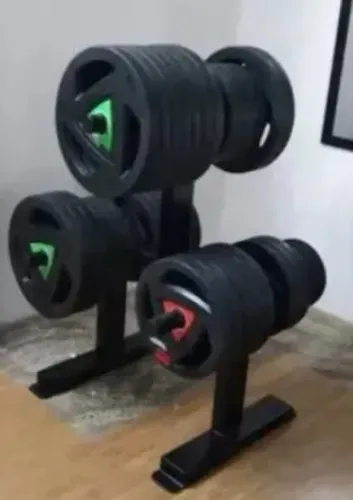
Treat racks, plate trees, replacement handles, cable attachments and lockers as separate infrastructure. Each needs its own capacity, dimensions, anchoring method and finish requirements; lockers also need stated ventilation, locks and numbering.
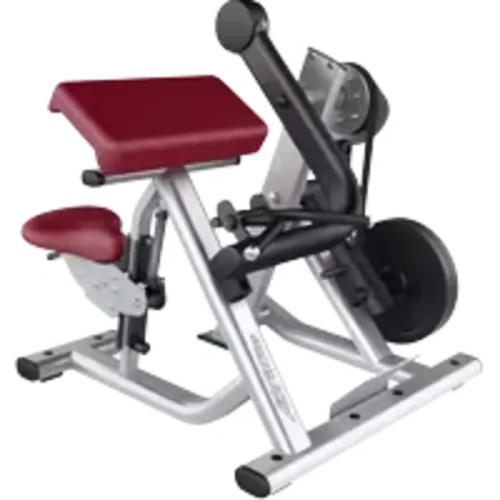
For a commercial back exercise machine, make the invoice identify the exact model, serial number, installation date, warranty start date and included attachments. A frame-only warranty does not cover cables, pulleys, upholstery, guide rods or stack hardware automatically. Ask for component coverage, replacement lead times and labour terms separately.
Use a Nagpur enquiry that covers inspection, delivery and installation
Send the same written enquiry to every shortlisted lat pulldown rowing machine supplier in Nagpur so the quotations can be compared line by line.
State whether the machine will operate on an air-conditioned, non-air-conditioned or humid training floor, then give daily usage, room measurements, doorway and stair or lift access, and the required selectorized or plate-loaded configuration.
1. Ask to inspect a completed unit at the supplier’s showroom or factory before you buy lat pulldown rowing machine equipment. If the exact model is unavailable, request dated photographs and a live video demonstration of the cable path, adjustments and weight system.
2. Request a delivered-and-installed quotation showing packed dimensions, assembled dimensions, gross weight, transport route, delivery point, installation date, floor protection, anchoring and acceptance testing. Ask who unpacks and assembles the machine, and what happens if it cannot pass your access route.
3. Confirm the supplier’s actual Nagpur service area, delivery responsibility, installation team and escalation contact. Singh Engineering Works belongs in the comparison because it manufactures and supplies commercial strength equipment from Nagpur, but its location alone does not prove fast support.
4. Record taxes, transport, assembly and any site-visit charge as separate lines. Reject a quotation that combines them into one unexplained total.
Related product
Lat Pulldown With Rowing The Lat Pulldown with Rowing is a versatile exercise combining two powerful movements to target your back muscles effectively. View product → |
Make acceptance testing and maintenance part of the purchase
Protect uptime by making acceptance testing a condition of payment, not an informal demonstration. A lat pulldown equipment supplier should test the machine with both light and heavy loads; a lightly loaded trial can hide pulley misalignment and stack-tracking faults.
1. Record smooth travel through the complete cable range, correct routing, no derailment, aligned pulleys, locked seat and thigh-pad adjustments, correct stack-pin engagement, and stable foot and thigh supports.
2. Inspect every cable before signing. Reject or photograph kinks, broken outer strands, flattened sections, corrosion, damaged end fittings, or rubbing against guards and pulleys.
3. Obtain a maintenance schedule naming inspection intervals for cables, pulleys, guide rods, bushings or bearings, seat hardware, and upholstery. Confirm guide-rod cleaning or lubrication, weight-stack alignment, stack-pin replacement, cable and pulley replacement, and upholstery replacement.
4. Put service commitments in writing: acknowledgement time, on-site visit target, parts lead time, preventive-maintenance frequency, post-warranty labour and travel charges, and the escalation process for unsafe equipment.
5. Ask the lat pulldown rowing machine supplier in Nagpur whether spares are stocked in Nagpur, held in a regional warehouse, or imported. File the operating manual, assembly drawings, spare-parts list, warranty contact, test record, and installation date together.
Frequently asked questions
How do you choose between a combined lat pulldown-row machine and separate stations?
Choose a combination machine when one footprint must support vertical and horizontal pulling with quick member changeover. Choose separate machines when exercise queues, training styles or available floor space require dedicated stations.
What should you check before ordering a lat pulldown rowing machine in Nagpur?
Measure the room, ceiling height, doorways, corridors, lifts and loading access. Confirm that the assembled machine and its installation tools can reach the intended floor.
What should a supplier quotation for a lat pulldown rowing machine include?
Compare the specification sheet and quotation for frame construction, dimensions, cable and pulley details, load arrangement, upholstery, included attachments, delivery, installation, warranty and service terms.
How should you accept and maintain the machine after delivery?
Make inspection and acceptance testing part of the purchase. Check movement, cable tracking, pulley operation, seat and pad stability, fasteners and included accessories, then follow a documented cleaning, lubrication and inspection schedule.
Keywords